
Why Tbilisi?
Tbilisi, the capital of Georgia, is one of Europe's most surprising and rewarding cities. Built along the dramatic gorge of the Mtkvari (Kura) River and climbing steeply up surrounding hillsides, this 1,500-year-old capital feels like a living museum — one where ornate Art Nouveau façades stand next to ancient churches, where the old town's leaning wooden balconies hang over sulphurous hot springs, and where ultra-modern architecture by international starchitects coexists with 5th-century basilicas.
But Tbilisi's real magic lies in its culture. Georgia is the birthplace of wine — archaeological evidence dates winemaking here to 6000 BC, making it the oldest wine-producing region on Earth. The tradition of fermenting wine in qvevri (giant clay vessels buried underground) is a UNESCO Intangible Cultural Heritage. Add to this one of the world's most distinctive cuisines — think cheese-filled khachapuri, soup dumplings called khinkali, walnut-paste pkhali, and feasts called supras — and you have a city that nourishes both body and soul.
For Turkish travellers, Tbilisi is especially appealing: visa-free entry, direct flights from Istanbul and Ankara in under 2 hours, incredibly low prices (a full dinner with wine for two can cost under $20), and a culture that shares deep historical connections with Turkey while being refreshingly distinct. The Georgian tradition of hospitality — "a guest is a gift from God" — means you'll be welcomed with open arms and a full glass.
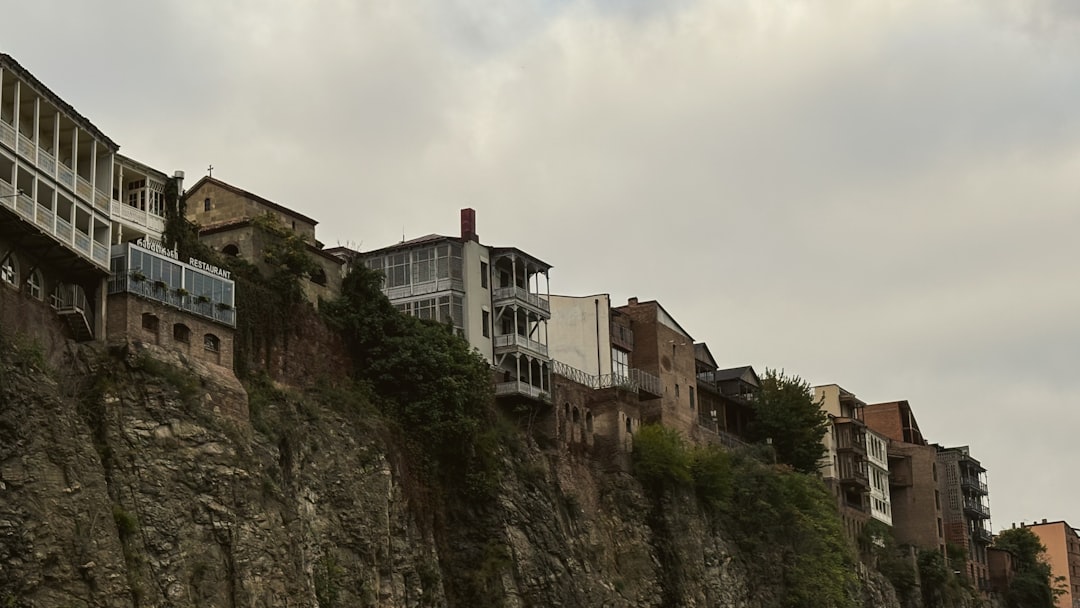 Old Town balconies
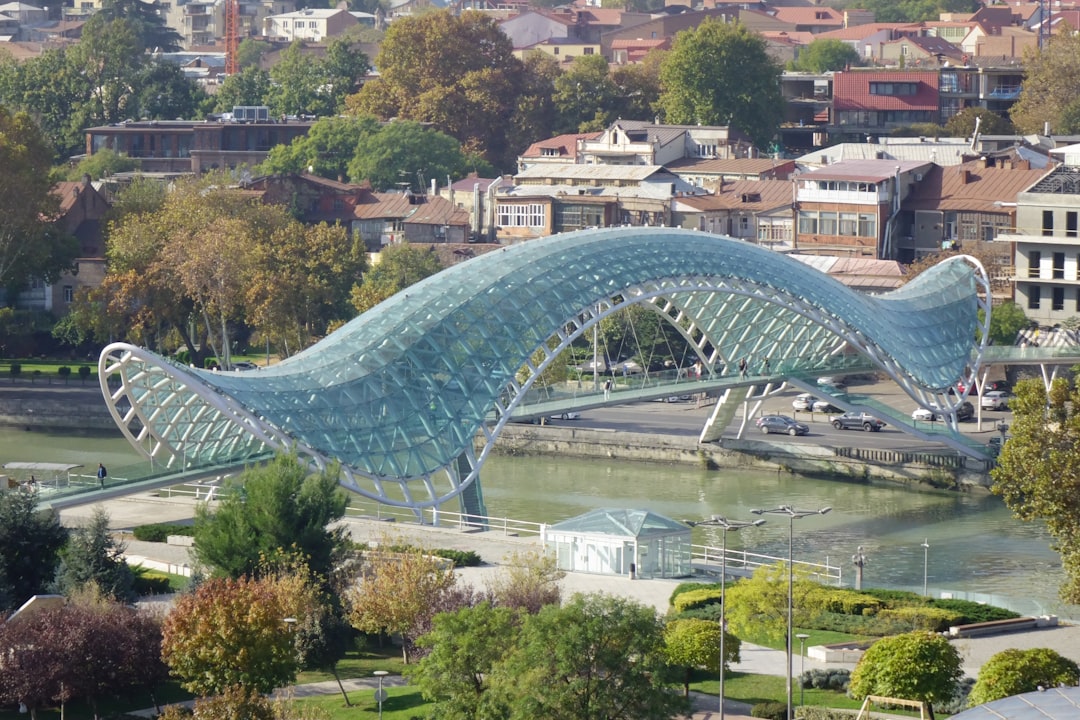 Bridge of Peace
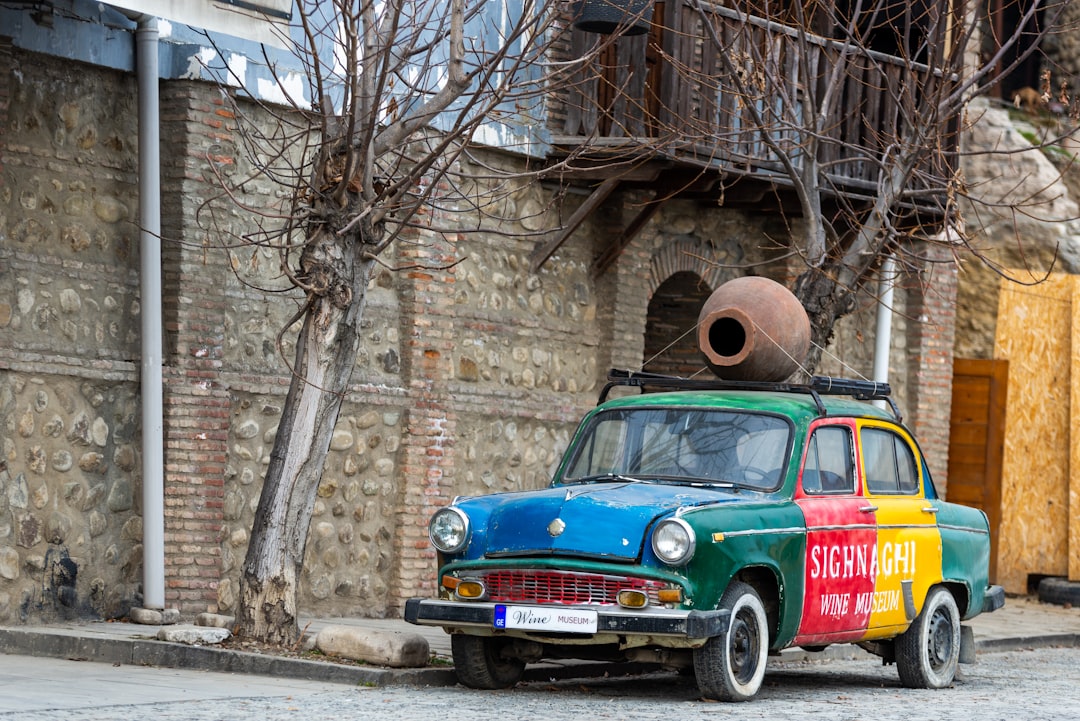 Georgian wine culture
What Makes Tbilisi Special
From 8,000-year-old winemaking traditions to cutting-edge contemporary art, Tbilisi is a city of extraordinary contrasts that rewards the curious traveller at every turn.
Top Things to See & Do
Old Town (Kala) — Tbilisi's ancient heart is a labyrinth of narrow lanes, crumbling churches, and beautifully weathered houses with carved wooden balconies draped in grapevines. Wander without a plan: you'll stumble upon hidden courtyards, tiny galleries, quirky cafés in basements, and street art around every corner. The neighbourhood is built on a hillside, so expect some steep climbs — but the views from any high point are spectacular. Start at Meidan Square and explore outward.
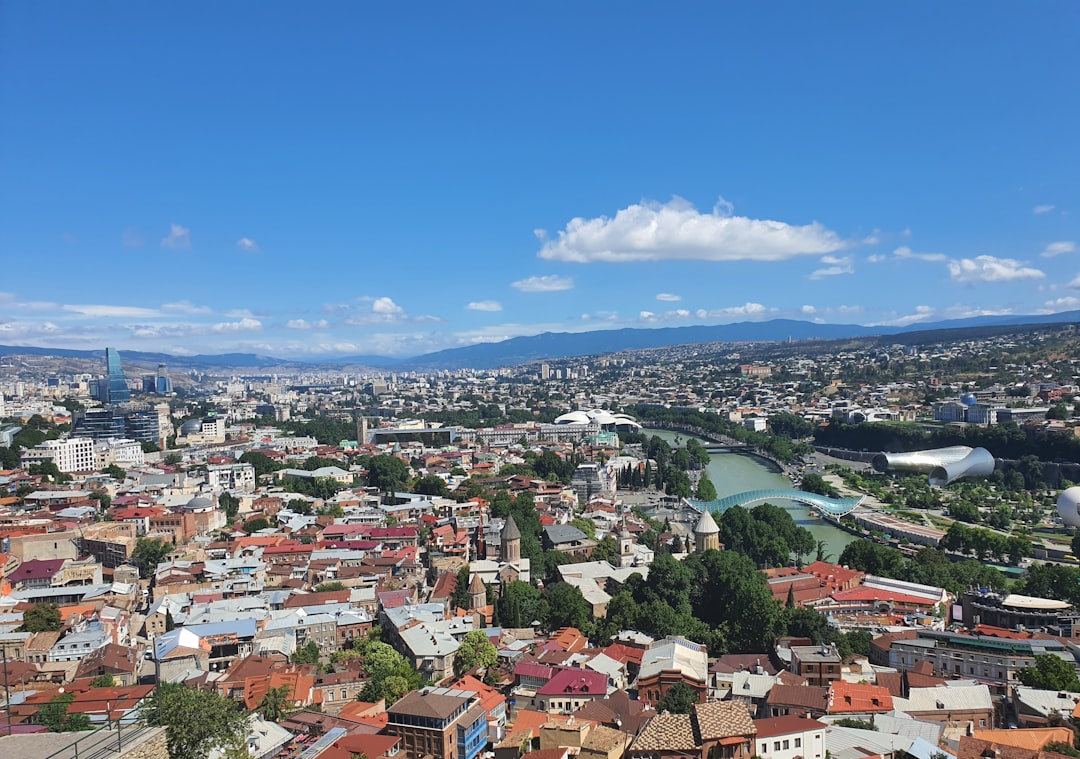
Narikala Fortress — This 4th-century fortress sits dramatically on a ridge overlooking the Old Town and the Mtkvari River. Originally built in the 4th century and expanded by the Arabs, Mongols, and Ottomans over the centuries, its crumbling walls offer the single best panoramic viewpoint in Tbilisi. Take the cable car from Rike Park across the river for a spectacular aerial crossing, or hike up through the botanical garden for a more immersive experience. Entry to the fortress is free.
Abanotubani (Sulfur Baths) — The iconic bathhouse district of Abanotubani is where Tbilisi was born — legend says King Vakhtang I Gorgasali founded the city in the 5th century after discovering the hot sulfur springs here. Today, a row of elegant brick-domed bathhouses line the entrance to the Legvtakhevi gorge. The most famous is the ornate Orbeliani Bathhouse (the "Blue Mosque" façade). Private rooms with hot sulfur pools start from around 50–80 GEL (about $18–30), including a traditional kisi scrub.
 Narikala Fortress
 Abanotubani Baths
 Georgian feast
Rustaveli Avenue — Tbilisi's grand main boulevard stretches 1.5 km from Freedom Square to the Parliament building, lined with plane trees, elegant 19th-century buildings, theatres, museums, and bookshops. The Georgian National Museum houses the stunning Treasury with Colchian gold artefacts dating back 3,000 years. The Rustaveli Theatre, the Opera House, and the National Gallery are all here. In the evenings, the avenue comes alive with café culture, street musicians, and a vibrant local scene.
Bridge of Peace & Rike Park — The futuristic glass-and-steel Bridge of Peace, designed by Italian architect Michele De Lucchi, spans the Mtkvari River connecting Old Tbilisi with the modern Rike Park. The bridge's undulating canopy is illuminated at night with thousands of LEDs that create a mesmerising light show. From Rike Park, take the cable car up to Narikala Fortress for sunset — it's the most magical ride in the city. The park also features quirky musical fountains and a concert hall shaped like a giant pipe organ.
Best Time to Visit Tbilisi
Tbilisi has a semi-arid continental climate with hot summers and cool winters. The city can get extremely hot in July and August (frequently above 35°C) and fairly cold in January (sometimes below 0°C). The ideal months are May–June and September–October when temperatures are pleasant (20–28°C), the skies are clear, and the city's many outdoor terraces and rooftop bars are at their best.
| Season | Months | Temp | Notes |
|---|---|---|---|
| 🌸 Spring | Mar – May | 12 – 24°C | Blossoming gardens, perfect walking weather, Rtveli wine prep |
| ☀️ Summer | Jun – Aug | 26 – 38°C | Hot and dry, rooftop bars, outdoor concerts, escape to mountains |
| 🍂 Autumn | Sep – Nov | 14 – 26°C | Rtveli grape harvest, wine festivals, golden foliage |
| ❄️ Winter | Dec – Feb | 0 – 8°C | Cold & quiet, cheapest flights, New Year celebrations, ski trips |
Transportation in Tbilisi
Tbilisi's compact Old Town is best explored on foot, but for longer distances the city has a surprisingly efficient transport system. The Tbilisi Metro has two lines with 23 stations — clean, Soviet-era deep stations with trains every 3–5 minutes. A single ride costs just 1 GEL (~$0.35) with a rechargeable Metromoney card (available at all stations). The card also works on buses and the cable car to Narikala.
Bolt (the European Uber equivalent) is the most popular ride-hailing app and is incredibly cheap — a cross-town ride rarely exceeds 8–12 GEL (~$3–4). Marshrutka minibuses are the backbone of Georgian intercity transport; from Tbilisi's Didube station you can catch marshrutkas to Mtskheta (30 min), Kazbegi (3 hours), Kakheti wine region (2 hours), and beyond. For day trips, hire a private driver through your hotel — full-day wine tours to Kakheti cost about 100–150 GEL ($35–55) including the driver.
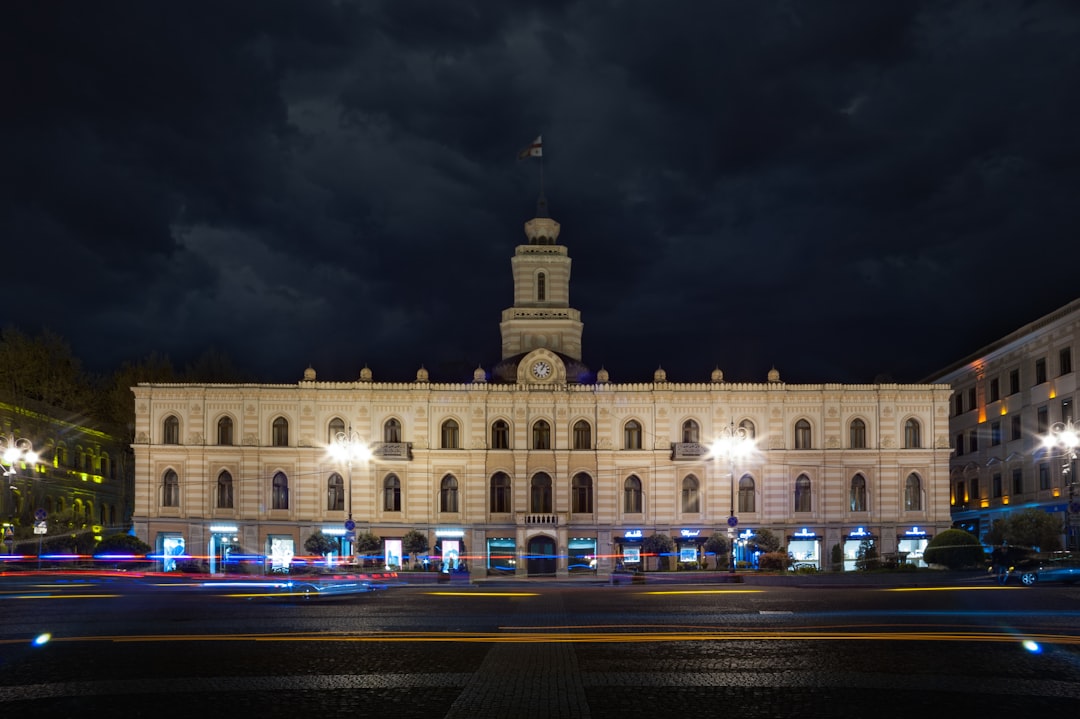 Rustaveli Avenue
 Tbilisi skyline
Essential Tips for Your Tbilisi Trip
A few practical details to help you make the most of your Georgian adventure:
💰 Currency: Georgian Lari (GEL). 1 USD ≈ 2.7 GEL. Tbilisi is extremely affordable — a restaurant meal costs 15–25 GEL ($5–9), a craft beer 6–10 GEL, and a taxi across town 8–12 GEL. Credit cards are widely accepted in the city centre, but carry cash for markets, street food, and smaller shops. ATMs are everywhere.
🗣️ Language: Georgian (ქართული) uses its own unique alphabet — one of only 14 alphabets in the world. In tourist areas English is increasingly spoken by younger Georgians, and Russian is widely understood by the older generation. Turkish is understood in some border areas. Download Google Translate offline for Georgian — it's helpful for menus and signs.
🔌 Power: Georgia uses Type C and F plugs at 220V / 50Hz — the same as Turkey and mainland Europe. No adapter needed if you're coming from Turkey.
🛡️ Safety: Tbilisi is remarkably safe for a capital city. Violent crime against tourists is extremely rare, and you can walk the Old Town at night without concern. The only common hassle is aggressive taxi drivers at the airport — use Bolt instead. Tap water in Tbilisi is safe and tastes good (it comes from mountain springs).
🌐 Connectivity: Buy a local SIM at the airport from Magti or Geocell — tourist packages with 15 GB of data cost about 15–20 GEL and last 30 days. Free Wi-Fi is available in most cafés, restaurants, and hotels. Many public parks and squares also have free city Wi-Fi.
🍷 Wine Tip: Don't leave without visiting a qvevri winery. The Kakheti wine region (Sighnaghi, Telavi) is a 2-hour drive from Tbilisi and offers some of the most unique wine experiences in the world. Many wineries offer free tastings. Try amber wines (orange wines) made from white grapes fermented with skins in clay vessels — they're Georgia's signature and unlike anything else you've tasted.
Ready to Fly to Tbilisi?
Compare hundreds of airlines and booking sites to find the cheapest flights
Search Flights to Tbilisi