
Why Trabzon?
Trabzon is the beating heart of Turkey's Black Sea coast — a 4,000-year-old port city that feels like an entirely different country compared to the sun-bleached Aegean and Mediterranean. Here, the landscape is impossibly green: misty mountains draped in dense forests, terraced tea plantations stretching as far as the eye can see, Alpine-style highland meadows (yaylalar) dotted with wooden chalets, and dramatic river gorges that slice through the Kaçkar Mountains.
Founded as the ancient Greek colony of Trapezus in 756 BC, the city has been a crossroads of civilisations — Greek, Roman, Byzantine, Ottoman, and more. Its most famous monument, the Sumela Monastery, clings impossibly to a sheer cliff face 1,200 metres above sea level and is one of Turkey's most awe-inspiring sights. But Trabzon's magic goes far beyond a single landmark. It's a place where you'll discover a proud and fiercely distinct culture, a dialect peppered with ancient Greek words, and what many Turks consider the country's finest regional cuisine.
Trabzon Airport (TZX) has daily direct flights from Istanbul, Ankara, and other major Turkish cities, making the Black Sea coast far more accessible than most visitors expect. From the airport, the Sumela Monastery, Uzungöl lake, the Kaçkar Mountains, and Rize's tea country are all within easy day-trip range.
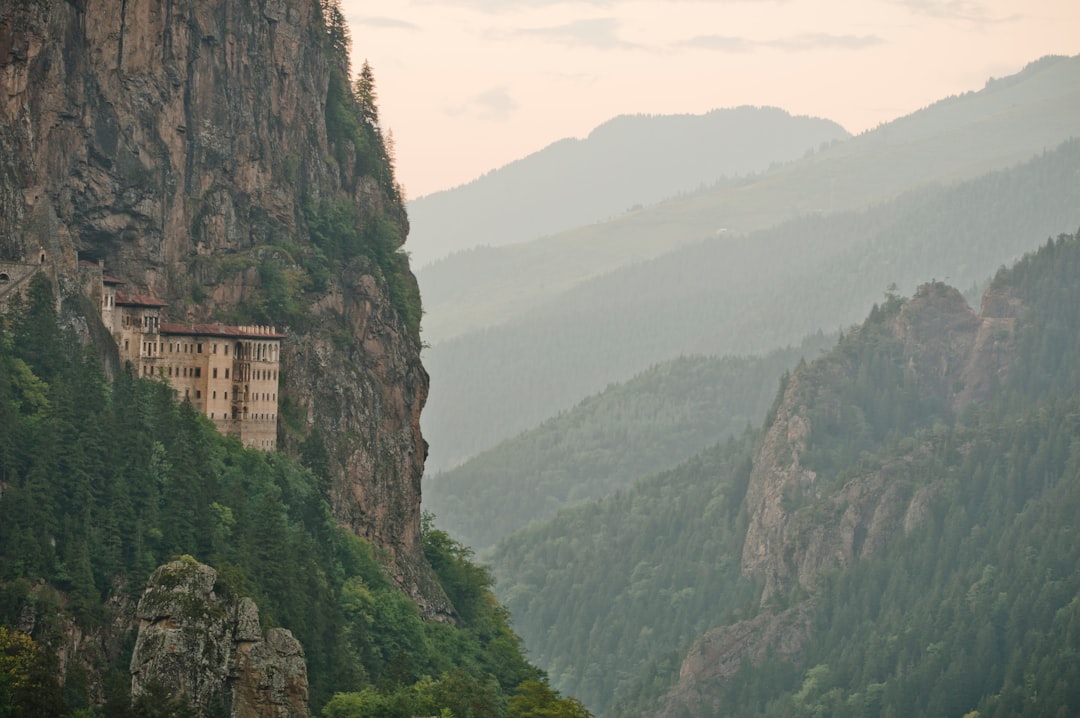 Sumela Monastery
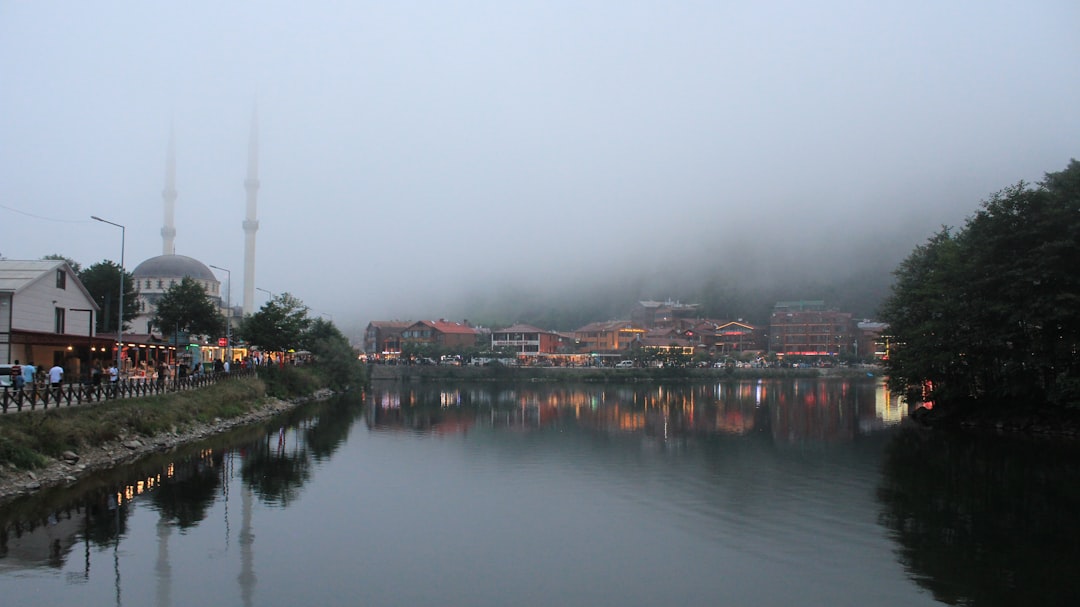 Uzungöl Lake
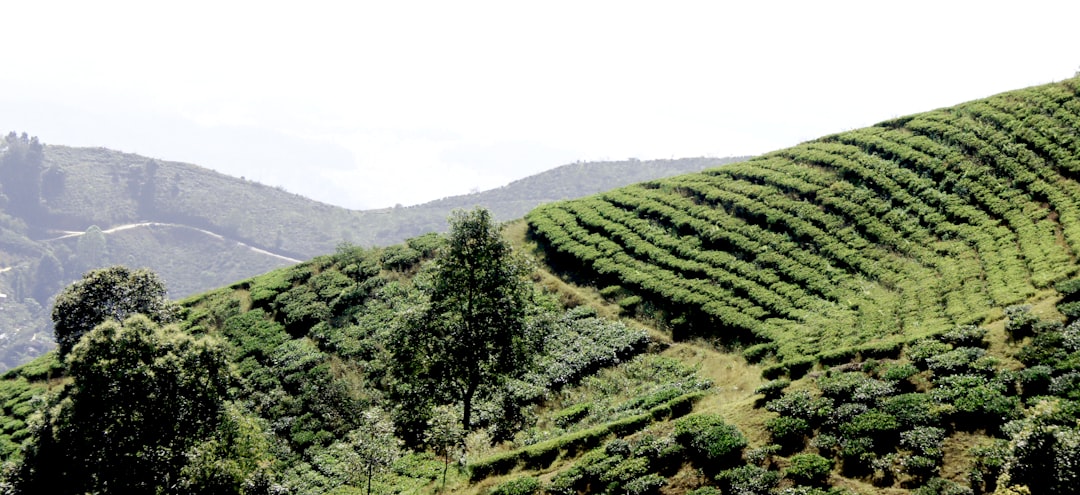 Tea Plantations
What Makes Trabzon Special
From cliff-hugging monasteries to emerald valleys and a food scene that locals fiercely defend as Turkey's best, Trabzon offers an experience worlds apart from the typical beach holiday.
Top Things to See & Do
Sumela Monastery (Sümela Manastırı) — Carved into a sheer cliff face at 1,200 metres altitude in the Altındere Valley, Sumela is one of Turkey's most breathtaking sights. Founded in 386 AD during the reign of Emperor Theodosius I, this Greek Orthodox monastery was a place of pilgrimage for nearly 1,600 years. Its rock-cut church is adorned with vivid Byzantine frescoes, and the vertiginous setting — perched above a dense forest with mist swirling around the peaks — is utterly unforgettable. The monastery underwent extensive restoration and reopened to visitors, with a new access road and viewpoint terrace.
Uzungöl (Long Lake) — Nestled in a deep valley 100 km south of Trabzon, Uzungöl is a postcard-perfect mountain lake surrounded by dense spruce forests and traditional wooden houses. The village has become one of Turkey's most photographed locations, particularly in autumn when the forests turn gold and amber. Walk the lake loop trail (2 km), sip tea at a lakeside café, or drive further up the valley to the Demirkapı highland for panoramic views. Early mornings — when mist blankets the lake and the muezzin's call echoes off the mountains — are magical.
Trabzon Hagia Sophia (Ayasofya Müzesi) — Not to be confused with Istanbul's famous namesake, Trabzon's Hagia Sophia is a 13th-century Byzantine church perched on a hillside above the coast. Built during the Trebizond Empire, it features exceptional frescoes, intricate stone carvings, and a peaceful garden with sweeping sea views. It's one of the finest examples of late Byzantine architecture in the Black Sea region.
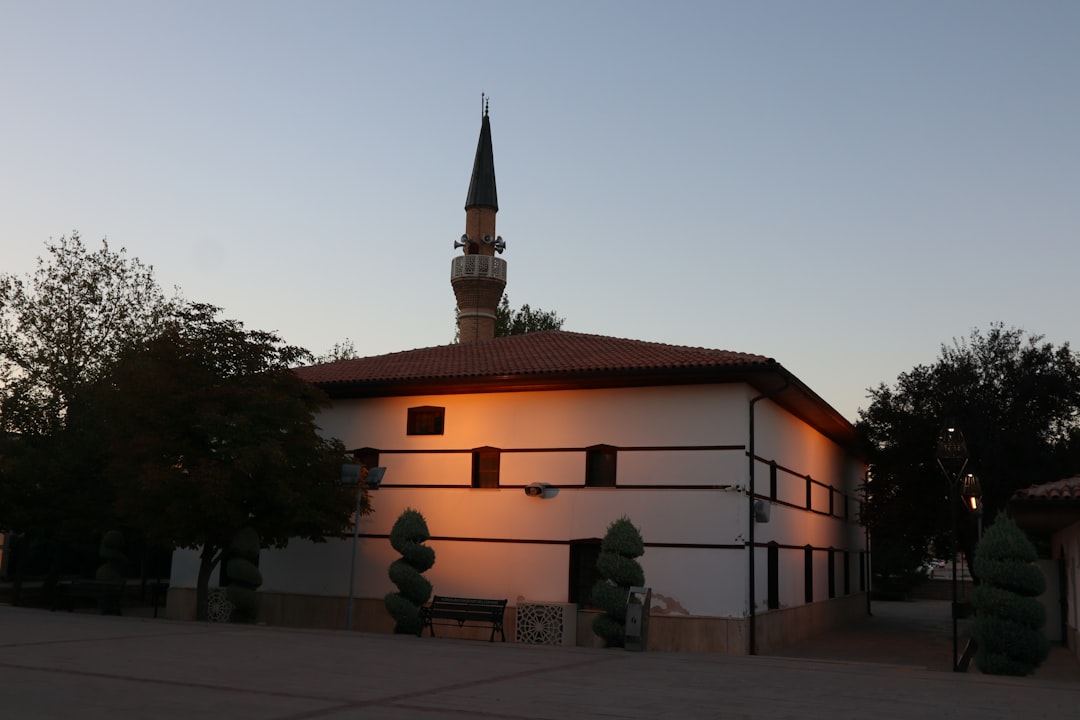 Trabzon Hagia Sophia
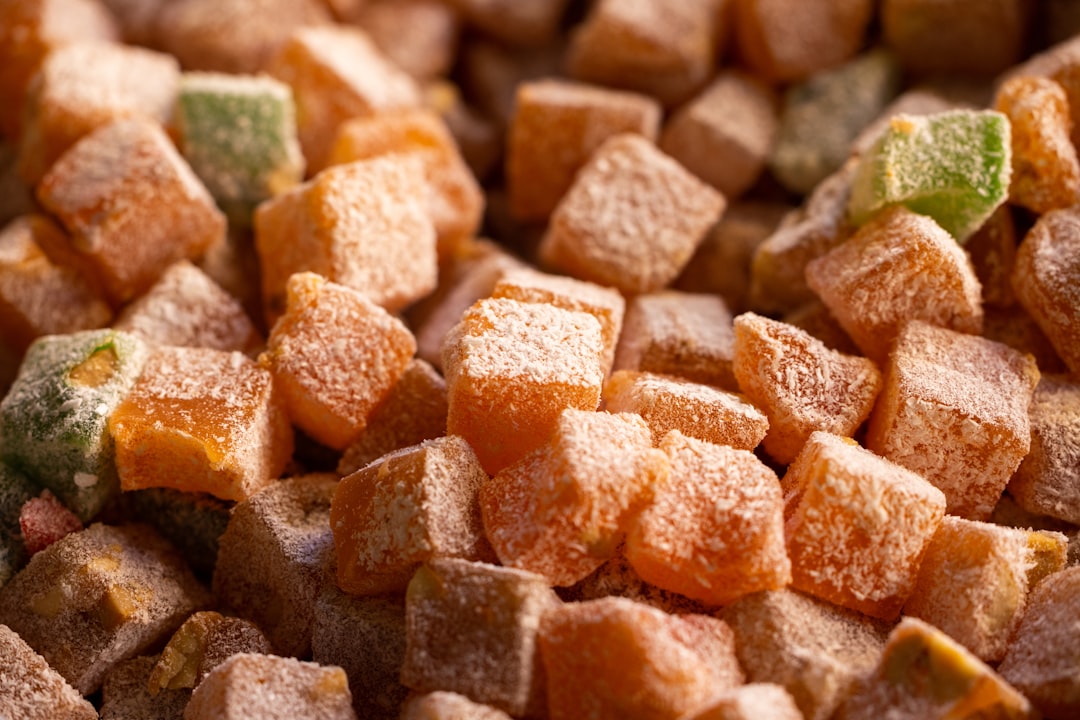 Trabzon Bazaar
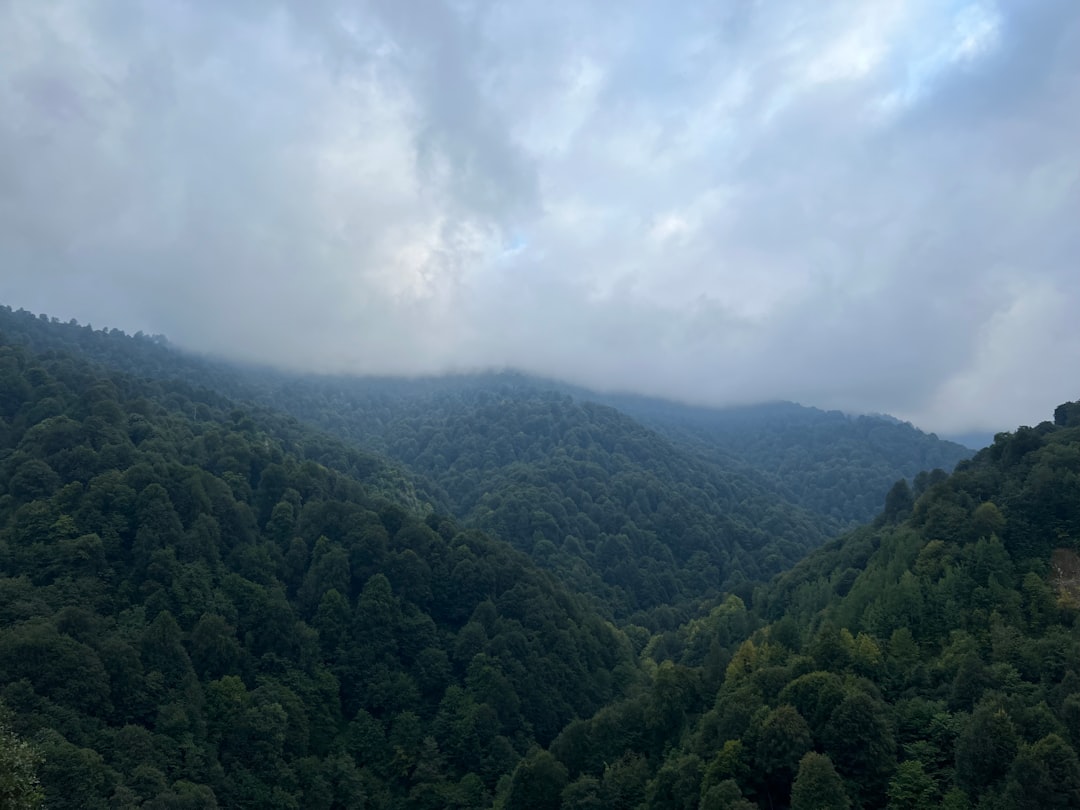 Highland Plateaus (Yayla)
Ayder Plateau & Kaçkar Mountains — About 170 km east of Trabzon (via Rize), the Ayder Plateau sits at 1,350 metres and serves as the base camp for trekking the Kaçkar Mountains. The village itself is famous for its hot springs, misty atmosphere, and traditional Black Sea wooden architecture. From June to September, the upper plateaus (Pokut, Hazindak, Sal) are accessible and offer wildflower meadows, herding culture, and views that belong in a documentary.
Tea & Hazelnut Country — The Rize and Trabzon coastline is where virtually all Turkish tea is grown. Drive the coastal road east from Trabzon and you'll pass endless terraces of emerald tea bushes. Many families welcome visitors during harvest season (May–October) to watch the picking and processing. Turkey is the world's largest per-capita tea consumer, and here at the source, every conversation starts and ends with a tulip-shaped glass of çay.
Best Time to Visit Trabzon
Trabzon's Black Sea climate is noticeably different from the rest of Turkey — expect more rain, cooler temperatures, and persistent greenery year-round. The best time to visit is May through September, when highland plateaus are accessible, the tea harvest is underway, and temperatures are pleasantly warm (20–28°C). July and August are warmest but also busiest at Uzungöl. Autumn brings spectacular foliage. Winters are mild along the coast but cold and snowy in the mountains.
| Season | Months | Temp | Notes |
|---|---|---|---|
| 🌸 Spring | Mar – May | 10 – 20°C | Lush greenery, tea harvest starts, occasional rain |
| ☀️ Summer | Jun – Aug | 20 – 28°C | Best for highland trekking, warmest weather, peak Uzungöl crowds |
| 🍂 Autumn | Sep – Nov | 12 – 22°C | Stunning foliage, fewer crowds, last plateau visits |
| ❄️ Winter | Dec – Feb | 4 – 10°C | Mild coast, snowy mountains, quiet season, cheapest flights |
Transportation in Trabzon
Trabzon city itself is compact enough to explore on foot — the bazaar, Hagia Sophia, and waterfront are all within walking distance. Dolmuş minibuses run frequent routes around the city and to nearby towns for 10–20 TRY. For Sumela Monastery, dolmuş services run from the main bus terminal (otogar) to Maçka, from where you'll need a taxi or shuttle up the valley.
Renting a car is the best way to experience the Black Sea coast properly. The coastal road (D010) is scenic and well-maintained, and the mountain roads to Uzungöl, Ayder, and the highland plateaus — while winding — are generally in good condition. The drives themselves are a highlight, with hairpin bends through forested gorges and mist-wrapped passes. Be prepared for occasional rain, keep your headlights on in tunnels, and drive cautiously on mountain roads. For Uzungöl and Ayder, organised day tours are also available from Trabzon for around 400–600 TRY per person.
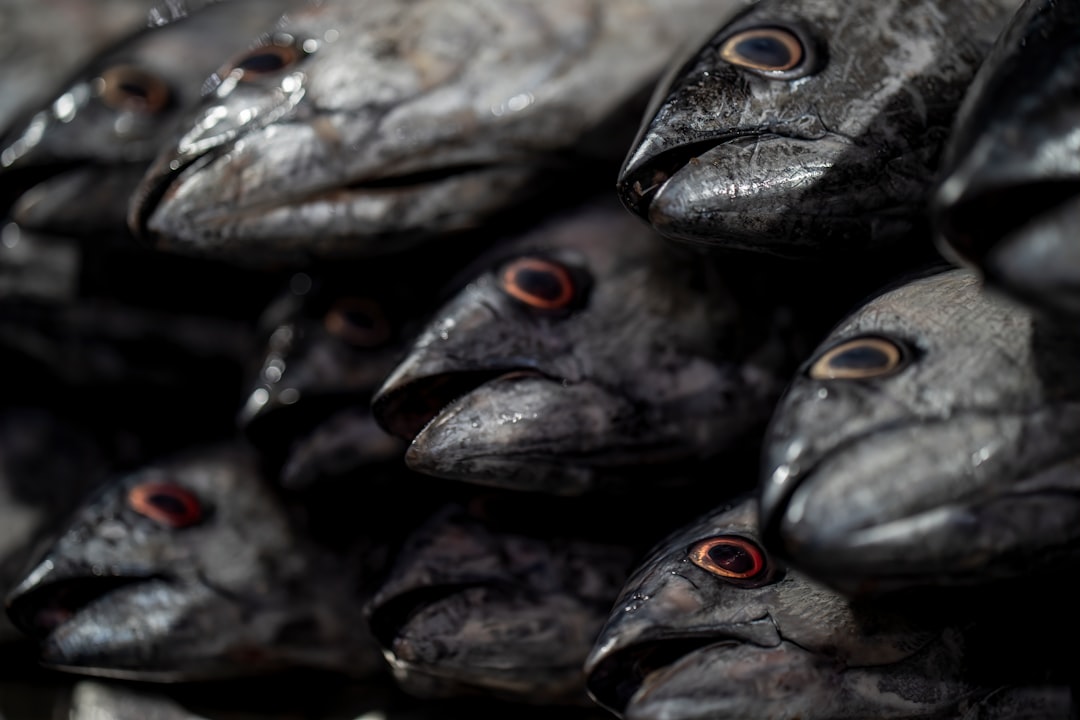 Black Sea cuisine
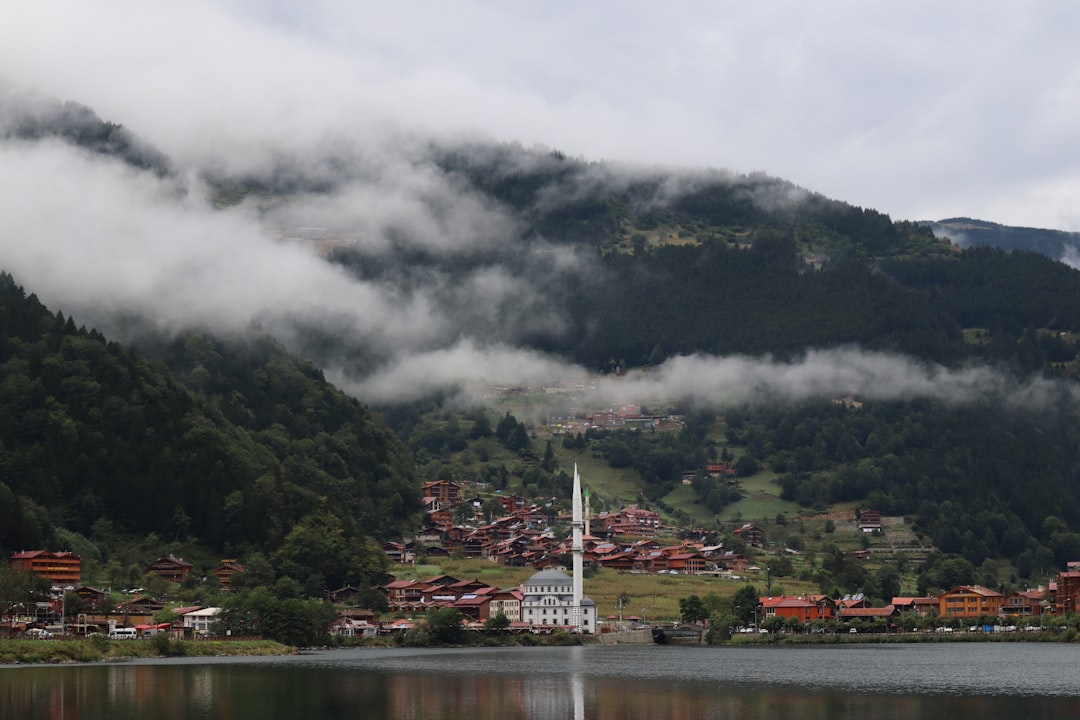 Trabzon coastal drive
Essential Tips for Your Trabzon Trip
A few practical details to help you make the most of your Black Sea adventure:
🌧️ Rain Gear: The Black Sea coast is Turkey's rainiest region. Pack a waterproof jacket and an umbrella regardless of when you visit. The upside? That rain is exactly why everything is so spectacularly green.
💰 Currency: Turkish Lira (TRY). Trabzon is significantly cheaper than the Aegean and Mediterranean resorts. A filling meal of pide and tea might cost 100–150 TRY. Credit cards work in the city, but carry cash for villages, dolmuş rides, and highland teahouses.
🗣️ Language: Turkish is universal. English is less widely spoken here than in western Turkey's tourist resorts. Learn a few Turkish phrases — locals are famously warm and hospitable, and any effort to communicate in Turkish is rewarded with huge smiles and possibly an invitation to tea.
🐟 Food Adventures: Don't leave without trying: hamsi (Black Sea anchovies — fried, baked into bread, or even in dessert), kuymak/muhlama (a rich cornmeal-and-cheese fondue), Trabzon pidesi (boat-shaped flatbread with egg), and laz böreği (a sweet custard pastry). Wash it all down with endless glasses of locally grown çay.
⛰️ Altitude: If visiting highland plateaus (1,500–3,000 m), dress in layers. Temperatures can drop 10–15°C compared to the coast. Mountain weather changes rapidly — bring sun protection and warm layers even in summer.
Ready to Fly to Trabzon?
Compare hundreds of airlines and booking sites to find the cheapest flights
Search Flights to Trabzon